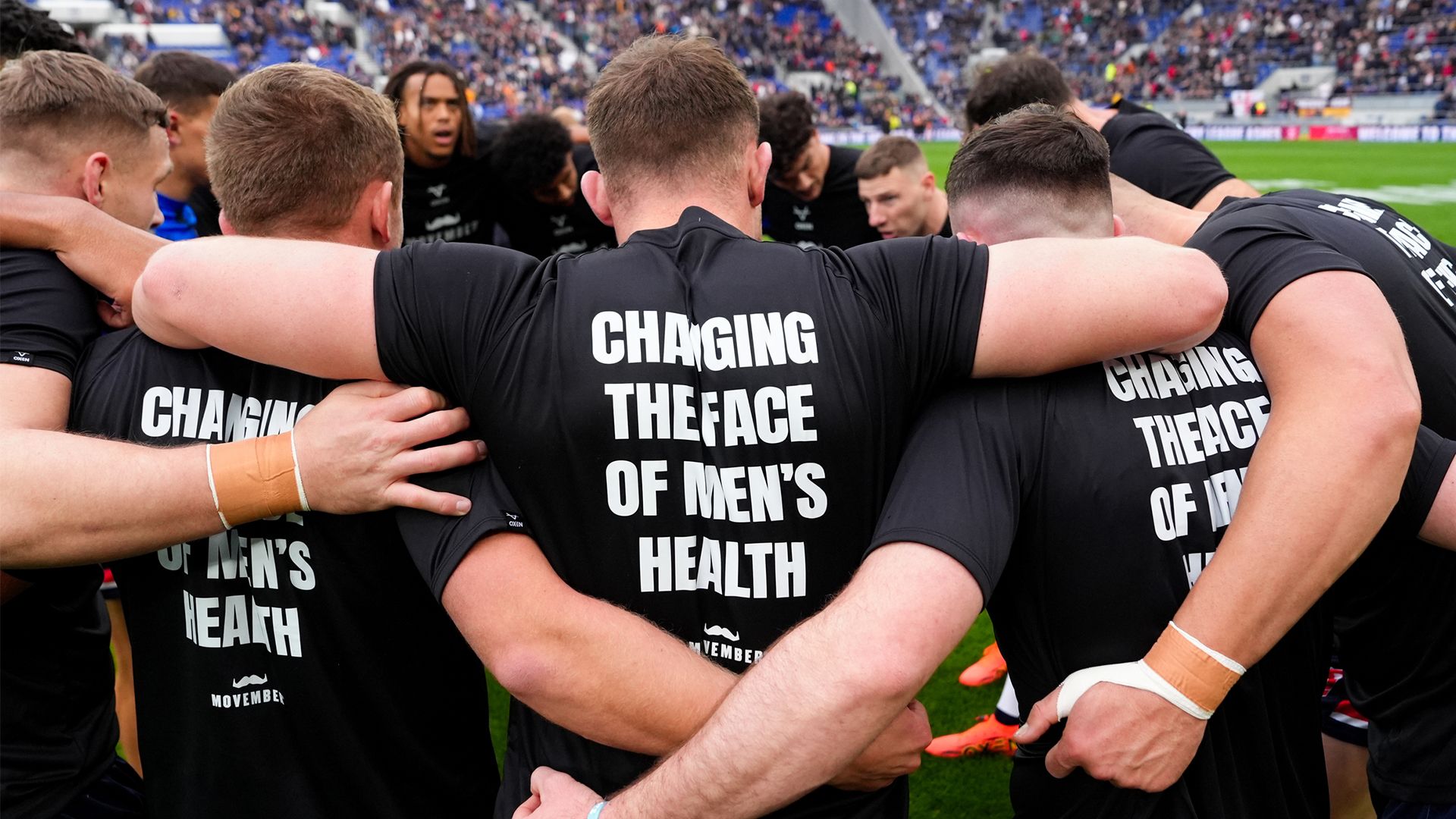
Movember invests £3 million in new government partnership to scale community-led men’s health support
Movember is committing £3 million to a new £6.3 million partnership with the Department of Health and Social Care and People’s Health Trust to fund community-led approaches to improving men’s health across England.
How the Men's Health Community Fund works
The new ‘Men’s Health Community Fund’ will support organisations working directly with men and boys aged 16+, particularly those least likely to engage with traditional health services. Over the next three years, the partnership will trial and scale new approaches to reaching men earlier, building connection, and improving outcomes at key moments in their lives—including fatherhood, job loss and retirement.
Movember’s £3 million contribution effectively doubles the government’s initial investment, bringing the total value of the Fund to £6.3 million, with further fundraising planned.
The partnership supports delivery of England’s first Men’s Health Strategy, with a focus on prevention, reducing health inequalities and strengthening community-based care.
New ways of connecting men to services they need
While men face a range of health challenges, many are still not engaging with traditional services. Evidence and experience from community organisations show that more informal, trusted and peer-based approaches can play a critical role in reaching men earlier and supporting better long-term outcomes.
Movember has a long history of funding and supporting community-based programmes globally, working with organisations that create spaces for men to connect, build trust and access support in ways that feel relevant and accessible.
Alongside the Fund, Movember will also launch a distinct yet complementary Community Men’s Health Research Programme, designed to build robust evidence on what works to improve outcomes for boys and young men, and to strengthen the link between community delivery, research and policy.
Michelle Terry, CEO of Movember, said:
Health and Social Care Secretary, Wes Streeting said:
Alastair Campbell, political strategist, and mental health campaigner. Co-host of The Rest is Politics said:
Building community-focused care
Community matters, as men experiencing disadvantage often face poorer health outcomes, driven by factors such as social isolation, financial stress, low health literacy and limited trust in services. At the same time, community organisations across the UK are already engaging men effectively through trusted, relational and peer-based approaches embedded in everyday settings.
These models - often built around shared activities, familiar environments and consistent relationships - can help men connect, open up and access support earlier, particularly where traditional services struggle to reach them.
By investing in community-led approaches, the partnership aims not only to deliver support, but to understand what works, for whom, and how successful models can be scaled and embedded within health systems.
Programme opens for applications: Summer 2026.
First awards: Winter 2026.